

Good Skateboarding Shoes: How to Choose the Best Skate Shoes for Your Style (2026 Guide)
Jan 20, 2026
Skateboarding is brutal on shoes. Few pieces of athletic gear are punished as relentlessly as skate shoes, dragged across grip tape, slammed into concrete, soaked in sweat, and tested for stability on hard landings again and again. That’s why choosing good skateboarding shoes isn’t about hype, fashion, or what looks good on Instagram. It’s about performance, durability, comfort, and how well your shoes match your skateboarding experience.
From vulcanized shoes that deliver unmatched board feel to cupsole skate shoes built for shock absorption and big gaps, the best skate shoes in 2026 strike a careful balance between protection and control. Whether you’re learning flip tricks, cruising for hours, or jumping down stair sets, the right skateboarding shoe can mean the difference between confidence and hesitation, or between skating tomorrow and nursing sore feet.
This guide breaks down everything you need to know: sole types, upper materials, ankle support, impact protection, and how to choose skate shoes that actually work for how you skate.
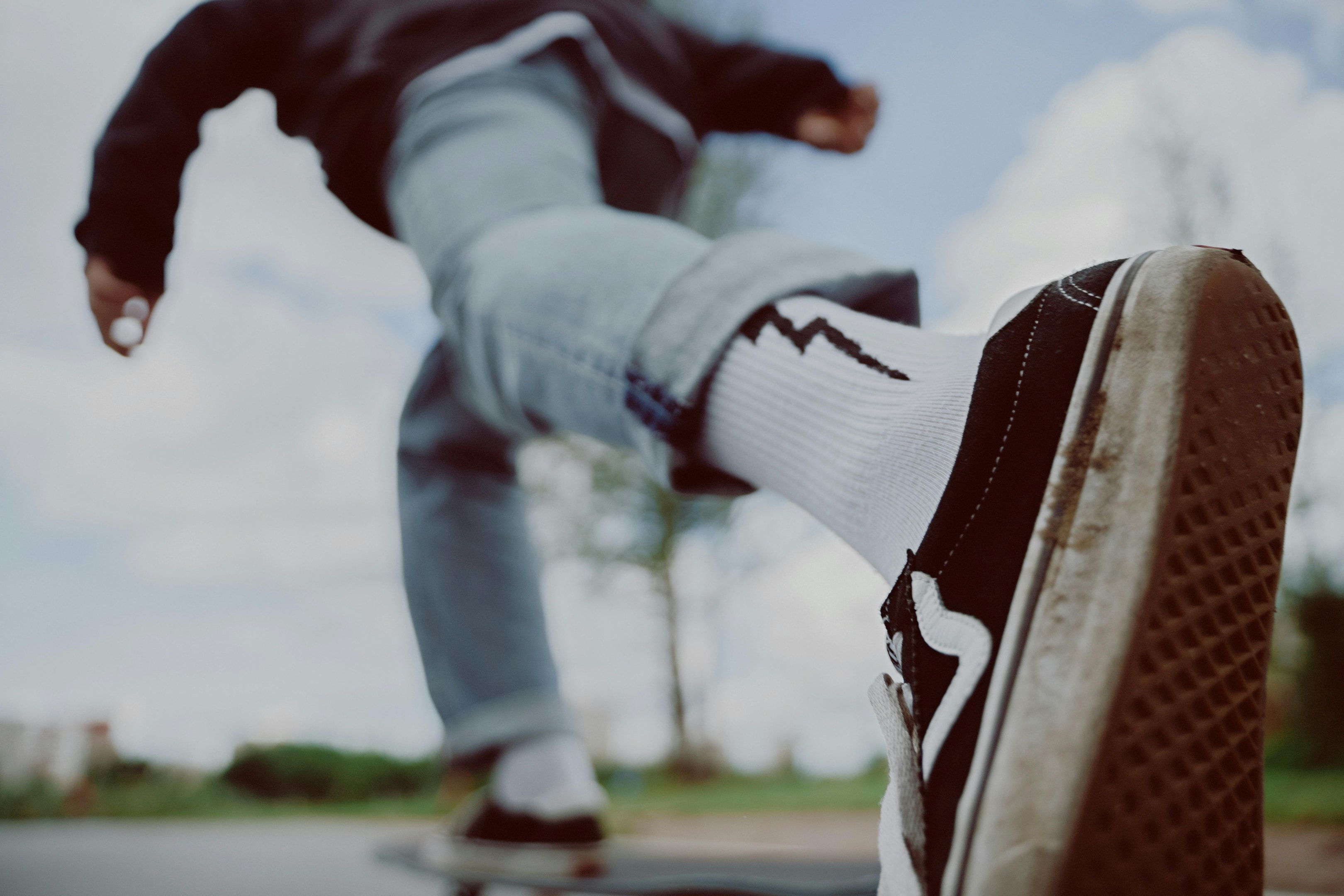
Find the Best Skate Shoes for Your Skateboarding Experience
Before diving deep into materials and sole construction, remember this: there is no single “best skate shoe” for everyone. The best shoes are the ones that match your skating style, terrain, and personal preference. At Amateur Athlete, we focus on skate shoes designed for real skating, durable builds, proper grip, and performance-driven design, not just a classic look.
If you’re serious about skating longer, landing cleaner, and staying comfortable through countless hours on your board, investing in the right pair matters.
What Makes a Skateboarding Shoe Different From Other Shoes?
At first glance, skate shoes might look like regular sneakers. But structurally, they are built for a completely different job. A true skateboarding shoe is designed to survive constant friction from grip tape, absorb repeated impact, and maintain consistent board control under stress.
Skateboarding Shoe Design Explained
Unlike running or lifestyle shoes, skate shoes use a rubber sole specifically formulated for traction on grip tape. The sole often features a unique tread pattern that prevents gravel build-up and maintains consistent grip. Many skate shoes use a single rubber piece or reinforced foxing tape around the sole to prevent blowouts during flip tricks.
The upper part of a skate shoe is also reinforced in high wear areas, especially around the toe box, where flicking against the board’s grip tape causes rapid damage. Features like toe caps, second layers, and suede toe panels dramatically extend shoe life.
Why Skate Shoes Matter for Countless Hours on the Board
Skateboarding isn’t just hard on shoes, it’s hard on your body. Poor footwear can create pressure points, reduce stability, and increase the risk of ankle injuries. A good skate shoe offers a snug fit, a supportive padded collar, and enough flexibility to move naturally without sacrificing protection.
Over time, the right shoes reduce foot fatigue, improve board feel, and help you skate longer with confidence.
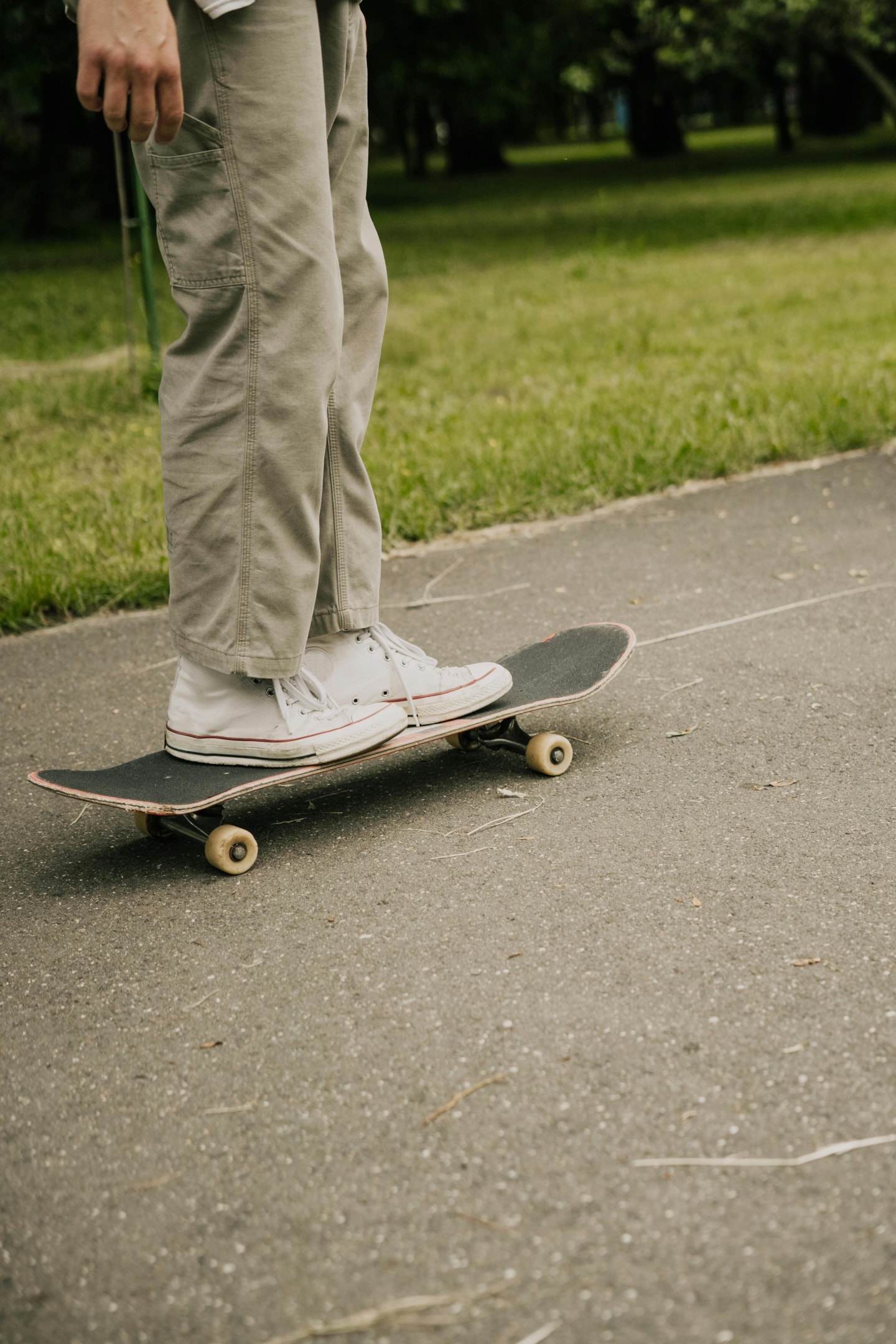
Best Skate Shoes by Sole Type: Vulcanized Shoes vs Cupsole Skate Shoes
The single biggest decision when choosing skate shoes is the sole type. Almost every skate shoe falls into one of two categories: vulcanized skate shoes or cupsole shoes. Each offers clear advantages, and real trade-offs.
Vulcanized Skate Shoes: Lightweight, Flexible, Built for Board Feel
Vulcanized shoes, often called vulc shoes, are created by heat-bonding the rubber sole to the upper. This process produces a thinner, more flexible platform that wraps closely around the foot.
The biggest advantage of vulcanized shoes is board feel. With thin soles and minimal separation between foot and board, skaters feel every movement, making them ideal for flip tricks and technical skating. Many skaters prioritize board feel because it improves control and precision.
Another benefit is the break-in period, or lack of one. Vulcanized shoes require almost no break-in time. Straight out of the box, they flex naturally and feel comfortable.
However, this flexibility comes at a cost. Vulcanized shoes offer less shock absorption and limited impact protection. They are best for low-impact skating and can be very bad for repeated hard landings. If you’re jumping stairs or skating big gaps, vulcanized soles may leave your feet sore.
Cupsole Shoes: Extra Cushioning for Hard Landings
Cupsole skate shoes are built differently. Instead of being heat-bonded, the sole is molded separately and then attached to the upper. This allows for thicker midsoles and built-in cushioning.
Cupsole shoes provide excellent shock absorption and durability. Their thicker platforms are far more comfortable for skaters who jump down stairs, skate handrails, or deal with significant impact regularly. Heel protection and internal cushioning help absorb force on hard landings.
The downside? Cupsole shoes may offer little to almost no board feel compared to vulcanized soles. They also tend to have a longer break in time, as the sole needs time to soften and flex naturally.
Choosing Between Vulcanized and Cupsole Based on Skating Style
The choice between cupsole and vulcanized shoes depends entirely on how you skate:
-
Flip tricks, tech skating, cruising → Vulcanized shoes
-
Stairs, gaps, high impact tricks → Cupsole shoes
Neither is objectively better. Many skaters rotate between both depending on terrain, session length, and personal preference.
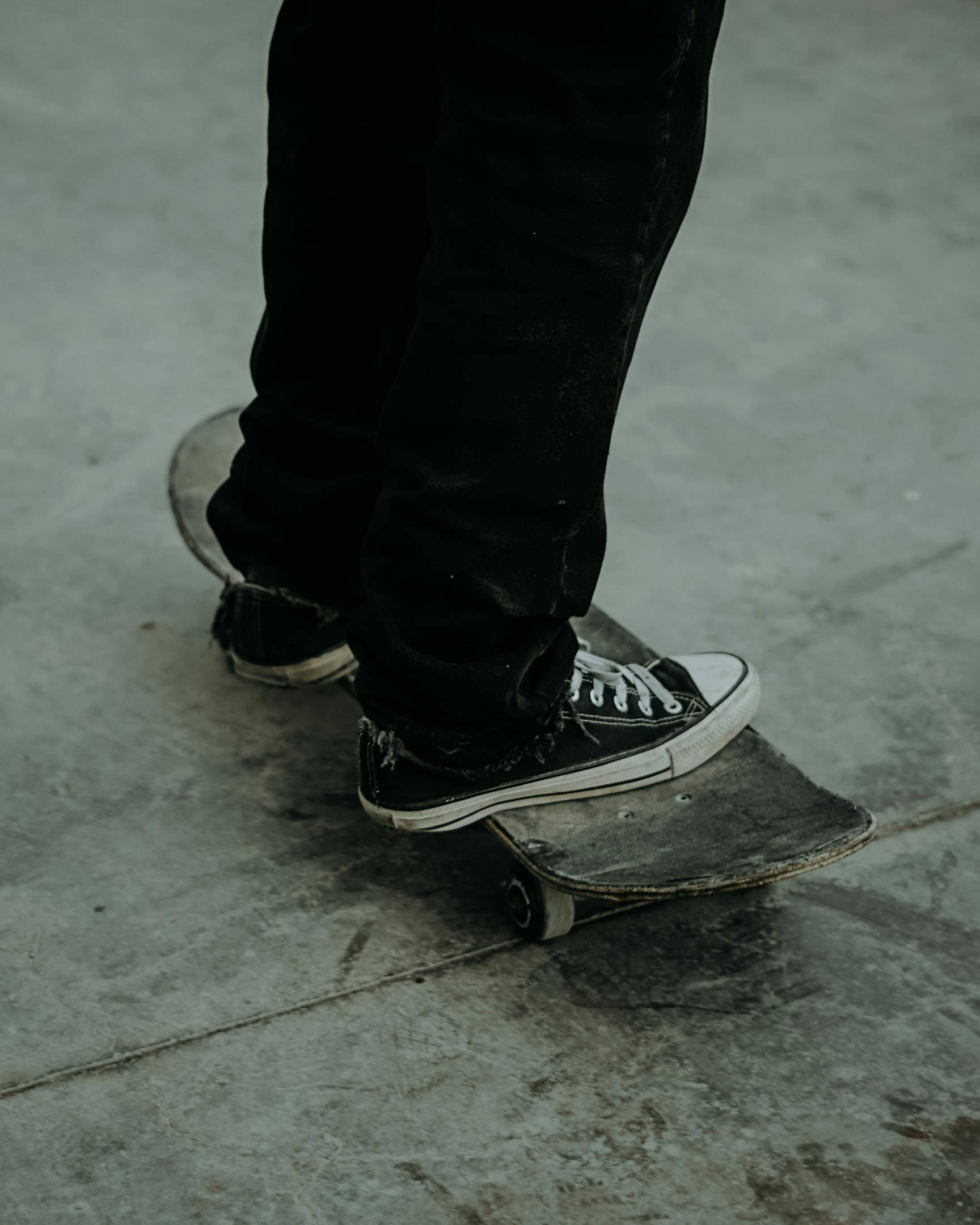
Upper Material Matters: Suede, Canvas, and Synthetic Materials
While the sole affects feel and impact protection, the upper material determines how long your skate shoes survive.
Suede Upper: The Gold Standard for Durability
A suede upper remains the most durable choice for skateboarding. Suede resists abrasion from grip tape far better than canvas and holds up in high wear areas like the toe box and ollie zone.
Many skate shoes feature a suede toe with reinforced toe caps or a second layer underneath. This construction significantly extends shoe life and maintains structure even after weeks of skating.
Leather offers similar durability but can be less flexible. Suede hits the sweet spot between protection and comfort.
Canvas Upper and Breathability for Sweaty Feet
A canvas upper is lighter and more breathable, making it appealing for skaters with sweaty feet or those skating in hot conditions. Canvas and mesh allow better airflow than leather or suede.
However, canvas wears down much faster against grip tape. Without reinforcement, canvas skate shoes often develop holes quickly, especially during flip tricks.
Upper Material, Comfort, and Long Sessions
Upper material also affects how shoes handle moisture, wet surfaces, and long sessions. Breathable materials improve comfort but sacrifice durability. Durable materials protect better but may feel warmer.
The best skate shoes balance abrasion resistance, ventilation, and flexibility.
Ankle Support and Shoe Height: High Tops, Mid Tops, and Low Tops
Skate shoes come in various styles, including high-top shoes, mid-top skate shoes, and low-top shoes. Each offers different levels of ankle support and freedom.
High Top Shoes: Maximum Ankle Protection
High tops provide the most ankle support and ankle protection, making them appealing for skaters concerned about ankle injuries. They offer extra coverage during high-impact tricks and uneven landings.
The trade-off is reduced mobility. Some skaters feel high tops restrict movement, especially during technical tricks.
Mid Top Skate Shoes: Balance Between Support and Mobility
Mid tops strike a balance. They offer moderate ankle support while allowing more freedom of movement than high tops. Many skaters prefer mid tops for mixed terrain skating.
Low Top Shoes: More Freedom and Natural Movement
Low tops provide the least ankle support but the most flexibility. They are ideal for skaters who prioritize board feel, flip tricks, and a natural range of motion. However, they offer less protection against ankle injuries.
Slip-Ons vs Lace-Ups
Slip-on skate shoes offer convenience and comfort but may lack stability. If you want the ease of a slip-on with more structure, Vans loafers add a reinforced upper and PopCush cushioning. Lace-ups provide a more snug fit and allow for features like lace protection, which helps prevent lace damage during tricks.
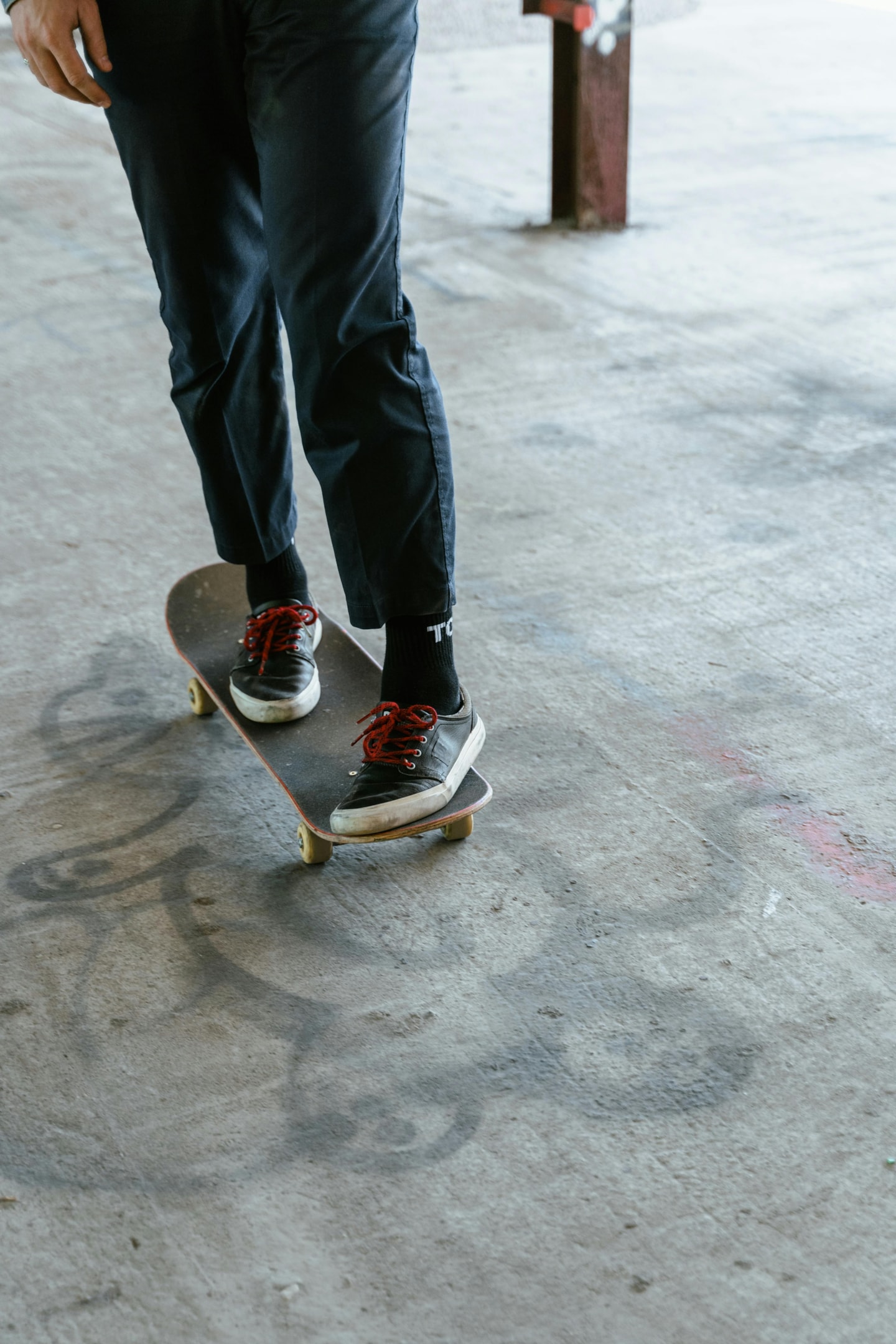
Impact Protection, Cushioning, and Stability
Impact protection is critical, especially for skaters who jump stairs or skate gaps regularly.
Shock Absorption and Extra Cushioning
Cupsole shoes excel in shock absorption, using thicker soles, heel protection, and cushioned insoles to absorb force. Extra cushioning reduces fatigue and protects joints over time.
Some skate shoes also include arch support, improving comfort during long sessions.
Sole Thickness, Stability, and Board Control
Thicker soles provide more cushioning but may decrease stability and board feel. Thin soles improve connection to the board but increase impact stress. Finding the right balance is key.
Rubber, Grip, and Board Control
Grip is non-negotiable in skateboarding.
Rubber Sole and Softer Rubber Compounds
Softer rubber compounds are stickier, improving traction on grip tape. However, softer rubber wears out faster. Harder rubber lasts longer but may reduce grip.
Tread Patterns and Consistent Board Feel
A good tread pattern prevents gravel buildup and ensures consistent board control, especially when skating rough terrain or wet surfaces.
Best Skate Shoe Brands in 2026
Several brands consistently deliver high-quality skate shoes.
Vans remains iconic, with the Vans Old Skool offering incredible board feel and durability, though minimal impact protection.
Nike SB shoes are popular for their minimal padding and precise control. Many skaters ask, are Nike SB good for skating? Yes, especially for skaters who value board feel. Models like the Stefan Janoski became legendary for this reason.
Emerica is praised for comfort and durability, particularly for high-impact skating.
Lakai designs shoes specifically for skateboarding, focusing on suede durability and performance.
New Balance Numeric blends modern cushioning with skate-specific construction.
DC Shoes appeal to skaters who prefer a padded feel and extra protection.
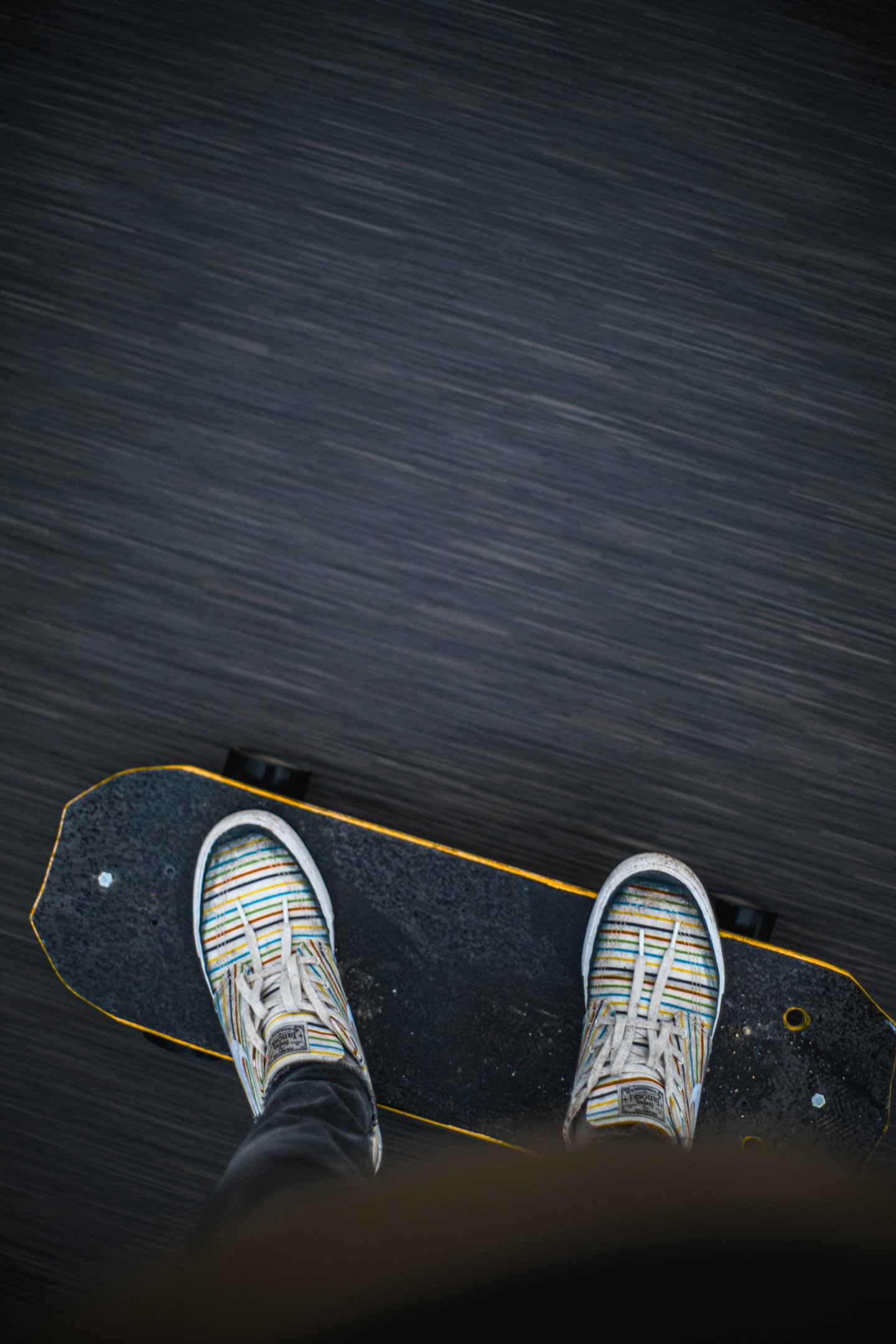
How to Choose Skate Shoes for Your Personal Skating Style
Choosing skate shoes should start with honest self-assessment. What do you skate most? How often do you land hard? Do you value board feel or comfort more?
Consider:
-
Sole type
-
Upper material
-
Ankle support
-
Fit and pressure points
Many skaters rotate between different shoes depending on session goals.
Upgrade to the Best Skate Shoes for Your Skating
Skateboarding demands footwear that works as hard as you do. At Amateur Athlete, we focus on skate shoes that deliver durability, board control, and comfort, without compromise. Choose shoes that support your skating, protect your feet, and keep you pushing forward.


